
Featured Stories
San Jose Rocks celebrates how Santa Clara County’s 15 cities (Campbell, Cupertino, Gilroy, Los Altos, Los Altos Hills, Los Gatos, Milpitas, Monte Sereno, Morgan Hill, Mountain View, Palo Alto, San Jose, Santa Clara, Saratoga, and Sunnyvale) were a part of an 11-county Bay Area movement that created a legacy of groundbreaking music and technological innovation. These interconnected stories provide a glimpse into Silicon Valey’s rich cultural fabric — moments where creativity, collaboration, and innovation flourish — is shaping the local community as well as the global music industry.
Here, we share the stories that illustrate the depth of this legacy, highlighting the individuals, events, and innovations that define San Jose Rocks’ mission to celebrate San Jose’s and Silicon Valley’s unparalleled contributions to music and technology, and inspiring today’s and tomorrow’s musicians and innovators.
Notify Me of New Stories
Join our community and never miss a story from Silicon Valley's music history
Got a story you think we might like? Share it with us!
We’re always on the lookout for — and curating — interesting stories and factoids that help us add to and shape our content. Contact us to tell your story.

San Jose Has the Blues
San Jose has a story to tell that’s all its own. Our rich blues culture is an unlikely yet thriving phenomenon. Learn more about the people and places that created our unique blues scene by visiting our new blues tribute page. We're just getting started, so keep checking back!
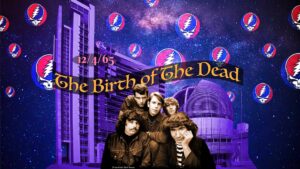
How The 60th Anniversary Grateful Dead Plaque Celebration Certified San Jose’s Role As Birthplace of the Long Strange Trip
How The 60th Anniversary Grateful Dead Plaque Celebration Certified San Jose’s Role As Birthplace of the Long Strange Trip It took nearly 10 years of work on the road to…

The Doobie Brothers House: Where another legendary Bay Area band found their sound (285 S. 12th St.)
In the early 1970s, San Jose wasn’t the sprawling tech hub it is today. It was a smaller, quieter city—a place where orchards dotted the landscape and creativity thrived in…
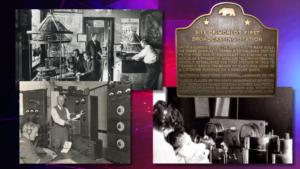
San Jose: The Birthplace of Broadcasting and a Catalyst for Global Music Innovation (50 W. San Fernando St.)
The Bay Area’s revolution in sound proves that innovation knows no borders. In 1909, Charles “Doc” Herrold built the world’s first radio broadcasting station in downtown San Jose. Known then…

The Offstage: A crucial hub connecting folk and psychedelic scenes across the Bay Area (490 S. 1st St.)
While the intimate Offstage venue in downtown San Jose played a pivotal role in bridging folk and psychedelic movements in the South Bay, it was part of a vast, interconnected…
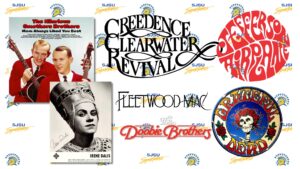
San Jose State University: A Crucible for Music, Culture, and Innovation.
San Jose State University (SJSU) has played a pivotal role in shaping the Bay Area’s musical and cultural identity. Its contributions extend far beyond chance meetings of future rock stars…
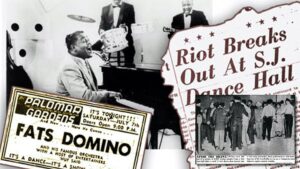
The Palomar Ballroom: Site of the first rock ‘n’ roll riot in 1957. (North of Hotel de Anza)
The 1957 riot at San Jose’s Palomar Ballroom during a rock ‘n’ roll show featuring Fats Domino marked a pivotal moment in Bay Area music history. Sparked by the overwhelming excitement of…


Hal David Knew the Way to San Jose
The song earned Dionne Warwick her first Grammy, sold over 3.5 million copies — and the singer didn’t even want to record it.
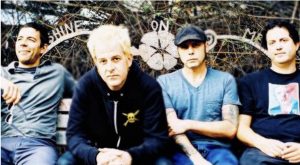
Cupertino has ‘No Use for a Name’
A punk rock band from Cupertino formed in 1987 is highly praised in the Skate punk and Hardcore punk scenes. Their debut album, Incognito, was released in 1990. They had…